
Home >  Blogs >  Cruise Branding for New and Emerging Cru...
Content Marketing - Oct 15, 2026

Cruise Branding for New and Emerging Cruise Lines

Cruise Branding for New and Emerging Cruise Lines

Cruise branding is how a cruise line defines who it is for, what it promises on board, and why a traveller should choose it. For a new or up-and-coming cruise line, the first thing that branding must do is provide strangers with a good enough basis for trusting them with a holiday which they can't easily cancel once the ship has left the port.

That trust is worth fighting for. CLIA's 2026 State of the Cruise Industry report recorded 37.2 million ocean cruise passengers in 2025, and nearly 90% of cruisers said they plan to sail again. Repeat intent that high is good news for the industry, but it also means many travellers are loyal to a line they already know. A new brand has to give them a reason to switch, or reach people who haven't cruised yet.

Key takeaways

  • Cruise branding for a new line is mostly about reducing risk in the traveller's mind.
  • Travel agents and early passengers shape your reputation faster than advertising does.
  • Owning one clearly defined audience beats being a smaller copy of an established line.
  • The onboard experience has to match the brand promise, or the marketing works against you.
  • Grow the brand by adding ships and itineraries that fit the original promise, not by drifting towards the mass market.

What is cruise branding?

Cruise branding includes all the elements that influence the way travellers perceive a cruise line, such as its market position, name, the design of the ships, tone of voice, the range of on-board products, pricing strategy and the manner in which the crew treats guests. Cruise marketing is the process by which the brand is taken to market using campaigns, creators, trade partners and search and social media.

The order is important; branding determines what you stand for and marketing then informs the appropriate people about it.

Why cruise branding is harder for new cruise lines

Established lines have decades of reviews, loyalty members and agents who have sold them for years. A new cruise line entering the market has none of these advantages. The particular difficulties generally take the following form:

  • No track record. Travellers can't read reviews of ships that haven't sailed yet.
  • A high-commitment purchase. A cruise means several nights on one ship, often booked months ahead, so a bad choice feels expensive.
  • Products that look alike online. Pools, cabins and sunset decks photograph much the same across lines, which pushes buyers towards price comparison.
  • Agents' existing habits. Many travel advisors default to lines they already know their clients like.

Building trust when travellers don't know you yet

Trust comes from proof, not adjectives. Words like "luxury" or "unforgettable" mean little coming from a brand nobody has sailed with.

Win over travel agents first

Agents are often the first people a new cruise line needs to convince, because travellers ask them which line to pick. Ship visits, inaugural sailings and hosted voyages for agents give them first-hand stories to repeat to clients. A well-planned programme of fam trips for the cruise  helps turn that early access into recommendations and coverage.

Be specific about what's on board

Replace general claims with clear facts: cabin sizes, what the fare includes, the dining format, age policies, the crew-to-guest ratio and the ports you visit. Specific details are easier to believe, and they answer the questions travellers would otherwise put to an agent or a search engine.

Show real people early

Publish crew profiles, ship-build updates and behind-the-scenes content before launch. A brand with recognisable faces feels less risky than one that only shows renders.

Can Cruise line influencer marketing help?

Travellers who have never heard of your cruise line may already follow creators they trust. When those creators sail with you and show the ship as it really is, some of that trust carries over to your brand. Well-planned cruise line influencer marketing helps in three ways:

  • It gives travellers proof. Honest cabin tours, dining walk-throughs and port-day vlogs show what a new brand's ads can only claim.
  • It reaches the right audience. Family creators, food creators and couples' travel accounts each speak to a different type of cruise guest.
  • It builds early social proof. Creator content fills the gap until passenger reviews start to build up.

Choosing a niche audience to own

New cruise lines rarely win by trying to appeal to everyone. A defined audience gives every later decision, from the menu to the ad creative, a clear filter.

Two recent entrants show how this works:

  • Virgin Voyages launched its first ship, Scarlet Lady, in 2021 as an adults-only line with no guests under 18, gratuities included in the fare and no traditional buffet. Each choice signalled who the brand was for and who it wasn't.
  • Explora Journeys, the MSC Group's luxury brand, launched Explora I in July 2023 with space for around 922 guests. It built its positioning around a calmer "Ocean State of Mind" rather than the parent brand's large-ship family market.

To find your niche, ask three questions:

  1. Which travellers are poorly served by the lines already sailing in your region?
  2. What can your cruise ships do that larger cruise fleets can't, such as smaller ports, longer stays or a particular cuisine?
  3. Can you keep that promise on every sailing, not just the launch voyage?

Using creators and passenger content to shape early perception

Before reviews pile up, creators and early guests effectively write your first reviews. Cruising is a product people want explained, and video walk-throughs of cabins, dining and daily routines answer questions a brochure can't.

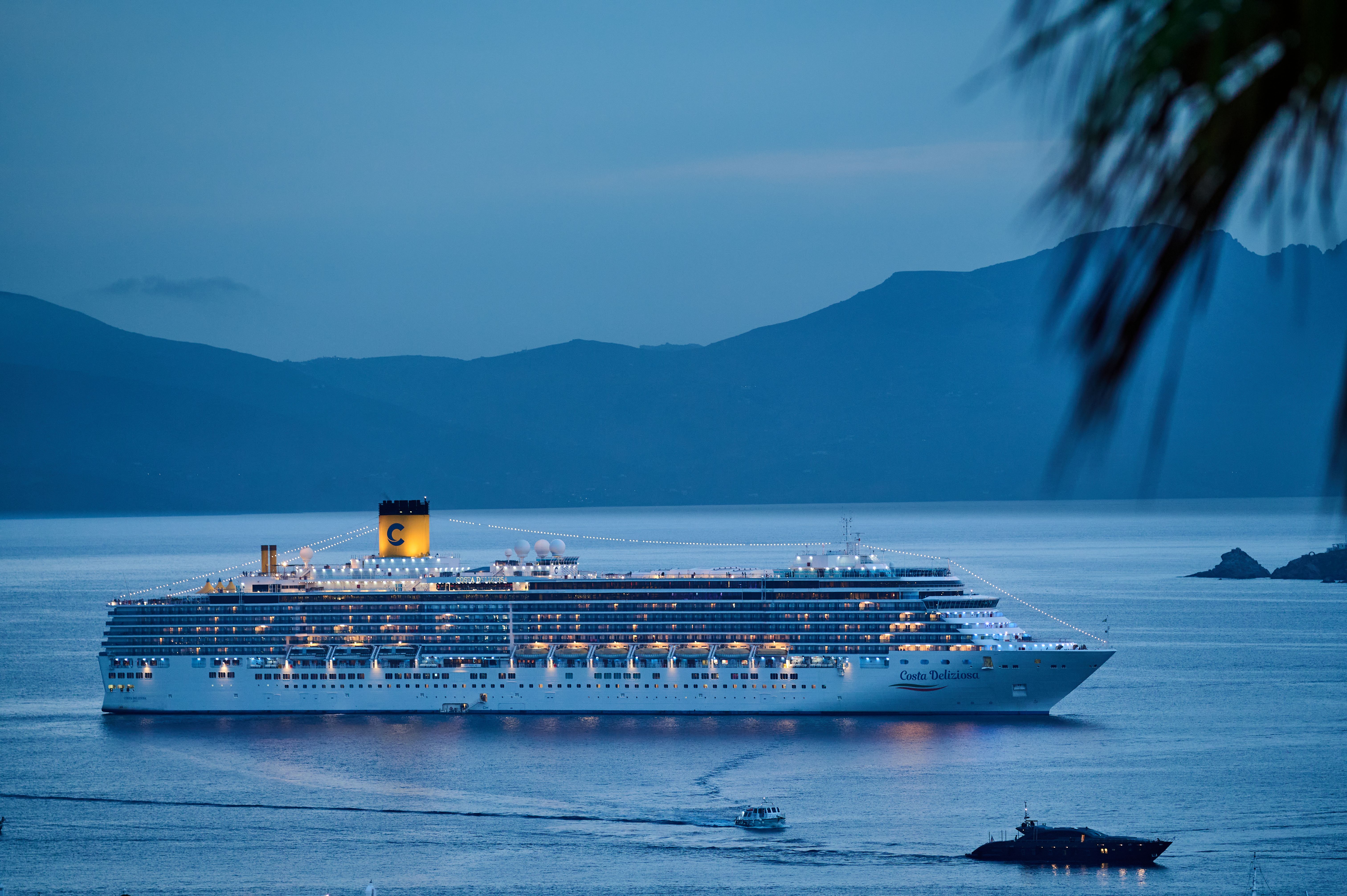
When Costa Cruises introduced international cruising to India, more than 40 creators were hosted on board so that a new category had real faces and first-hand content behind it. The same principle applies to any new line: choose creators whose audiences match your target guest, not just those with the largest following. Our guide to travel influencer marketing covers how to vet them.

After launch, make it easy for passengers to share their trip. Reshare their content with permission, respond to every review in public, and treat early complaints as product feedback.

Making the ship deliver the brand promise

A cruise brand is tested every day on board. If the advertising promises calm and the pool deck is loud, guests will say so online and agents will hear about it.

Brief crew on the brand's tone and service standards, and check that menus, entertainment and cabin details all point the same way. The most persuasive cruise marketing a new line has is a guest who got exactly what they were promised.

Growing the brand as the fleet and itineraries expand

Growth puts pressure on consistency. Each new ship or region can pull a young brand in a different direction.

  • Keep the core promise fixed, and adapt only the details, such as food and language support, for new source markets.
  • Introduce new itineraries as extensions of the brand. Port destinations become part of your story, so work with partners who understand destination marketing in tourism.
  • Give returning guests a reason to try new ships first, through early access or loyalty benefits.
  • Track brand-name search volume, direct bookings, agent sales and repeat rate alongside campaign reach.

Build a cruise brand travellers trust

Strong cruise branding gives a new line a clear audience, an honest promise and early advocates who spread the word. Get those right before scaling spend, and every campaign that follows works harder. Discover how Melange approaches travel and tourism marketing.

Frequently asked questions

What is cruise branding?

Cruise branding is the way a cruise line defines its identity, audience and onboard promise. It covers positioning, visual identity, tone of voice, the onboard product and service style, and it shapes how travellers and agents perceive the line.

How is cruise branding different from cruise marketing?

Cruise branding sets what a cruise line stands for and who it serves. Cruise marketing promotes that brand through channels such as advertising, creators, travel trade, PR, search and social media.

How can a new cruise line build trust before its first sailing?

It can host travel agents and media on preview or inaugural sailings, publish clear facts about cabins, inclusions and policies, share crew and behind-the-scenes content, and work with creators whose audiences match its target guest.

Why should a new cruise line focus on a niche audience?

A niche gives the brand a clear reason to be chosen over larger lines. It also makes decisions on ship design, menus, itineraries and advertising more consistent, which helps travellers understand the offer quickly.

Do creators help with cruise branding?

Yes, when they are chosen carefully. Creator content shows what life on board looks like before reviews exist, which reduces the perceived risk of booking a line travellers don't yet know.

How do you measure cruise branding?

Look at brand-name searches, direct and agent bookings, repeat booking rates, review scores and sentiment, alongside campaign reach and engagement.

Follow us:
linkedininstagram